7 Steps to Pick the Right School Dance Theme
Last Updated: November 1, 2026
Quick Summary
To choose a school dance theme, set your non-negotiables first, including date, venue, budget, and school policy. Then shortlist five to seven ideas, score each on student appeal, cost, ease of execution, and inclusivity, and put the top two to a student vote.
- Confirm the venue, budget ceiling, and school policy before anyone pitches a theme.
- Cap the idea list at five to seven options to force real trade-offs.
- Score each theme 1 to 5 on four weighted criteria, with student appeal at 40%.
- Score the rubric as a group in one sitting rather than separately.
- Lock in the theme six to eight weeks before the dance so vendors and invitations can move.
Table of Contents
- Why the Theme Decision Matters More Than You Think
- School Dance Theme Ideas by Season, Style, and Mood
- Middle School Dance Themes and Grade-Level Fit
- A Step-by-Step Method for Choosing Your Theme
- Running School Dance Theme Voting With Student Input
- Matching Your Theme to Budget, Venue, and Safety Limits
- Turning Your Chosen Theme Into a Working Event Plan
- Frequently Asked Questions
Why the Theme Decision Matters More Than You Think
Choosing a school dance theme sounds like a small decision. It is not. The theme sets the tone for decorations, music, food, and how students feel when they walk through the door.
Most committees treat the theme as an afterthought. They pick something that worked last year and move on. That is a missed opportunity. A strong theme gives every other planning decision a clear direction.
Here is why it matters:
- It guides decorations, lighting, and photo spots
- It shapes the playlist, which keeps students dancing
- It helps the budget stay focused on what matters
School Dance Theme Ideas by Season, Style, and Mood
Theme ideas fall into a few broad groups. Seasonal themes lean on fall leaves, winter lights, or spring blossoms.
Seasonal themes are often the easiest to pull off. A winter wonderland night can use white lights, faux snow, and silver accents.
Seasonal and mood themes also tend to stretch a budget further. Many decorations can be reused year after year.
Formal Versus Casual Dance Concepts
Formal dances feel like a big event. Students dress up, and the room looks polished. A masquerade ball or Hollywood night fits this style well. Casual dances feel relaxed.
A common mistake is choosing a formal theme for a crowd that wants a relaxed night. If students feel they have to dress up for a casual vibe, attendance can drop.
Color-Based, Decade, and Hollywood-Style Themes
Color-based themes are simple and affordable. Picking one or two colors gives decorations a unified look without much extra work. Decade themes, such as the 1950s or 1980s, bring built-in music and fashion ideas. Hollywood-style nights use red carpets and photo backdrops that students love to pose in.
These themes work well because they are easy to explain. A student can picture the night from the name alone.
Middle School Dance Themes and Grade-Level Fit
Middle school dances need a different approach. Younger students often want something playful and easy to join.
High school students usually prefer themes that feel more grown-up. Formal dances, masquerades, and city-lights nights tend to land better with older students.
Keep age in mind when you choose. A theme that thrills a senior class may feel babyish to sixth graders, and the reverse is also true.
- Middle school: playful, bright, easy to join
- High school: mature, polished, social
- Mixed grades: broad themes like seasonal or color-based
A Step-by-Step Method for Choosing Your Theme
Most theme lists stop at inspiration. A committee still has to make a decision, and that is where dances stall, three good ideas, no way to pick one, and a planning calendar that keeps shrinking. The method below turns the choice into a repeatable process with a paper trail, so the committee can defend the pick to students, staff, and administration.
Step 1: Set the non-negotiables first
Before anyone pitches a theme, write down the constraints that cannot move:
- Date and venue. Confirm the room is actually booked. A gym with a low ceiling and exposed beams rules out hanging chandeliers or tall balloon arches.
- Budget ceiling. Agree on a hard number for decor, lighting, and props before ideas start.
- School policy. Check the student handbook and your district's rules on costumes, masks, and props. Many schools restrict full-face masks for security reasons, which directly affects masquerade themes.
Anything that violates a non-negotiable is removed before scoring. This one step prevents the most common failure: falling in love with a theme the venue or the district will not allow.
Step 2: Collect a shortlist, not a wish list
Ask students, staff, and parents for ideas, but cap the list at five to seven options. A shortlist forces real trade-offs; a list of thirty invites paralysis. Run the collection through a homeroom suggestion box, a student council meeting, or a one-question online form.
Step 3: Score each theme on a simple rubric
Use a 1-to-5 scale on four criteria, then weight them so the committee agrees on what matters most. A workable default weighting:
Criterion | What a 5 looks like | Default weight |
|---|---|---|
Student appeal | Students name it unprompted | 40% |
Cost fit | Buildable within the decor budget | 25% |
Ease of execution | Setup fits the window; few specialty props | 20% |
Inclusivity | Works without expensive costumes or a date | 15% |
Multiply each score by its weight, add the four results, and you have a comparable number. The rubric does not make the decision for you, it exposes where a popular theme is quietly expensive or where a cheap theme will flop with students.
Step 4: Pressure-test the top two
For the two highest scorers, sketch the night in plain language: what students see at the door, what plays over the speakers, what the photo spot looks like, and what the snack table serves. If you cannot picture a coherent room for a theme, the committee will struggle to build it. This is also the moment to check the venue again, walk the space with the top two themes in mind and note where each one breaks down.
Step 5: Vote and lock it in
Put the final two to a student vote (see the voting section below), then announce the winner with a short note explaining how the decision was made. Publish the theme at least six to eight weeks before the dance so invitations, dress guidance, and vendor bookings can move.
A realistic decision timeline
- 10-12 weeks out: confirm date, venue, and budget; set non-negotiables.
- 8-10 weeks out: collect the shortlist and score it.
- 6-8 weeks out: student vote, announce the theme, book vendors.
Committees that compress this into the final month usually end up paying rush shipping on decor and settling for whatever the party store has left in stock.
Running School Dance Theme Voting With Student Input
Students are more likely to attend when they feel heard. Run a simple vote with two or three final options.
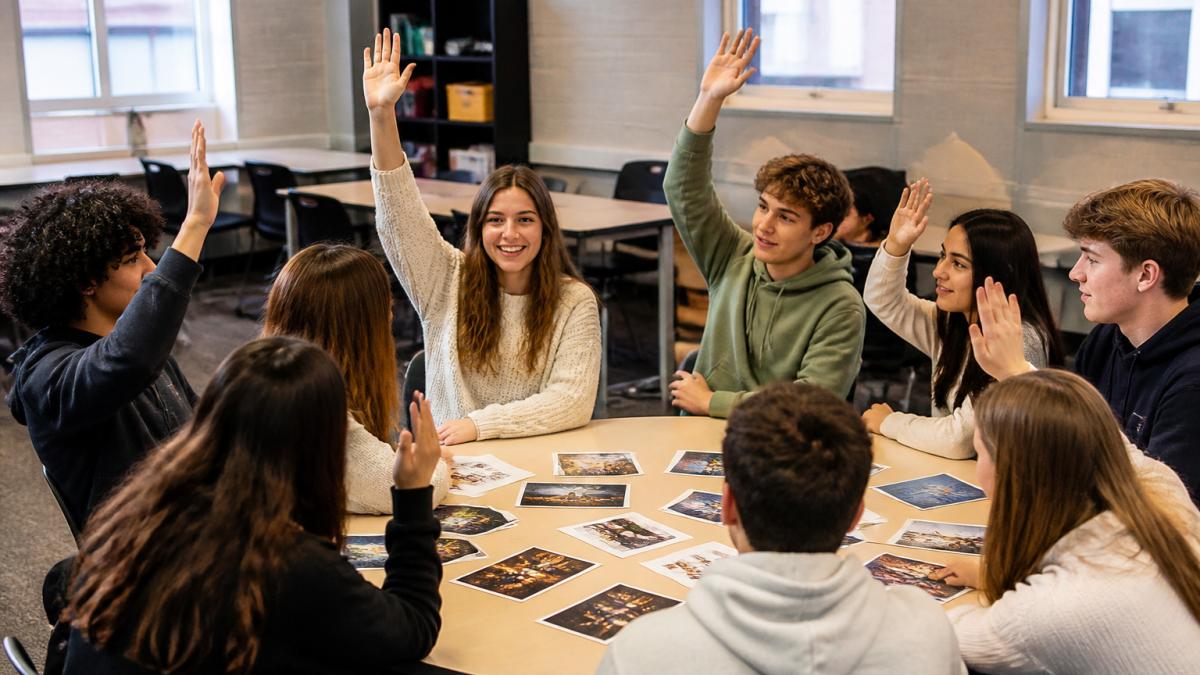
Keep the process fair. Limit each student to one vote, and share the results openly. Tell students how their input shaped the final choice.
Student input also helps you spot problems early. A theme that sounds fun to staff may not land with the class, and a quick vote can save a lot of disappointment.
Matching Your Theme to Budget, Venue, and Safety Limits
A theme that cannot be built in your room, on your budget, and inside your school's rules is not a theme, it is a problem you have scheduled for the week of the dance. Practical school dance budget planning tips can help you check costs before you commit. This section turns those limits into planning inputs rather than last-minute surprises.
Budget tiers and what each one buys
Most school dance decor budgets land in one of three rough tiers.
- Lean (a few hundred dollars): color-based themes, decade nights, and seasonal themes built from streamers, balloons, string lights, and printed signage. Reusable core: string lights, fabric draping, and a photo backdrop frame.
- Mid (low four figures): adds a rented photo booth or backdrop, themed centerpieces, and a lighting upgrade such as uplights. Masquerade, under-the-sea, and Hollywood themes fit here if props are rented rather than bought.
- Higher (mid four figures and up): custom builds, professional lighting design, and full room transformation. Reserve this for a flagship dance where ticket revenue or sponsorships offset the cost.
The cheapest theme is the one you can reuse. Buy neutral foundations, white string lights, black or white fabric, a pipe-and-drape backdrop, and let each year's theme ride on top of them. A committee that owns its own draping and lighting spends far less on the second and third dances than on the first.
Venue checks that change the theme
Walk the space before you commit and confirm:
- Ceiling height and attachment points. Can you hang anything, and with what? Many gyms prohibit tape, nails, and anything attached to sprinkler heads or light fixtures.
- Wall surfaces. Painted block walls reject most adhesives; ask the custodial staff what has worked before.
- Power access. Photo booths, uplights, and DJ gear all need outlets. Confirm circuit capacity and where cords can run without crossing walkways.
Safety and policy specifics
- Open flame is out. No candles, torches, or real flame centerpieces. Battery-operated candles deliver the look without the fire code problem.
- Masks and costumes. Many districts restrict full-face masks and replica weapons as part of security policy. Confirm before promoting a masquerade or costume-heavy theme.
- Sightlines for chaperones. Lay out decor so supervisors can see the whole room. Tall centerpieces and freestanding walls create blind spots.
Accessibility and inclusivity checks
The theme should not quietly exclude students. Confirm that: guidance on managing chaperone logistics covers the supervision needs that come with your venue and safety limits.
- Costume guidance offers a low-cost or no-cost option, so a formal theme does not become a paywall.
- The photo spot and activity areas are reachable without stairs and have room for a wheelchair to turn.
- Music volume and lighting allow students with sensory sensitivities to participate; a quiet corner helps.
Effort versus impact
When two themes score close, compare effort to impact. A balloon arch delivers high visual impact for moderate effort; a full ceiling transformation delivers similar impact for far more labor and often needs a lift. Spend the committee's hours where students will actually notice, the entrance, the photo spot, and the dance floor, and keep the rest simple.
Turning Your Chosen Theme Into a Working Event Plan
Once the theme is set, turn it into a plan. Assign a lead for decorations, music, food, and photos. Create a simple checklist with due dates.
Use the theme to guide every choice. The playlist should match the mood, the snacks should fit the setting, and the photo booth should feel like part of the story.
If you want help bringing the energy to life, TheMovement315 offers DJ services, photo booths, and karaoke for school dances across Central New York.
Frequently Asked Questions
What are good school dance themes?
Strong school dance themes are easy to recognize, fit the age group, and can be carried through decorations, music, and lighting without much extra cost. Popular options include under-the-sea, masquerade, Hollywood night, fall formal, and winter wonderland. Choose a theme students can picture immediately, then test it against your budget and venue before committing. A theme that works for a gymnasium with simple lighting may look very different in a hotel ballroom, so check the space early.
How do you choose a theme for a school dance?
Start with the event's purpose and audience, then narrow a short list of three to five options. Gather student preferences through a survey or student council input, check the budget, and confirm the venue can support decorations and lighting. Score each option on student interest, cost, setup effort, and safety, such as clear walkways and secured decor. Pick the option with the strongest overall score and assign one person to own the final decision.
How can students vote on a school dance theme?
Limit the ballot to three to five finalists, each with a short description and a simple visual, so voters can compare them quickly. Run the vote in a class period, through a school-approved online form, or at a student council table during lunch. Publish the results openly and explain the tie-break method in advance. Transparent voting reduces complaints and gives students a real stake in the final event.
What school dance themes work for middle school students?
Middle school dances tend to work best with playful, high-energy themes such as under-the-sea, neon glow, superheroes, or a classic carnival. These themes are easy to decorate and do not require formal attire, which keeps the mood relaxed for younger students. Avoid themes that rely on alcohol-associated imagery or overly mature concepts. Keep the decoration plan simple, and confirm with administrators that the theme matches school conduct expectations.